Drug and Alcohol Tests Results: It's all about the Cut-offs
What does it mean when an instant drug screen tells me that a worker has a recreational drug in their system but the lab report says that the drug is NOT in their system?
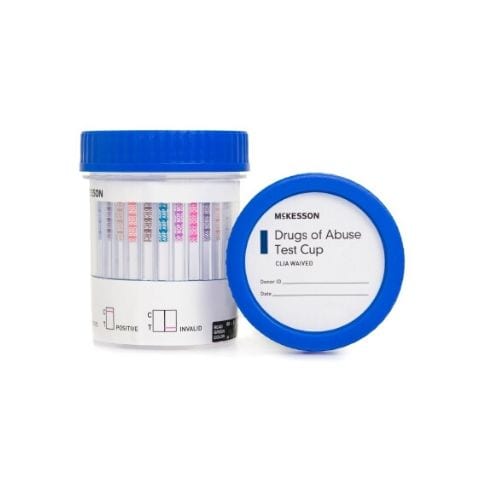
Drug Screen versus Lab Results:
A drug screen, in the form of a urine cup or oral fluid swab, is first used to detect the presence of a drug or it’s metabolite in urine or saliva. This is a cheaper and much quicker method than sending a urine or saliva sample directly to a lab for GC-MS (or LC-MS) testing. When the cup or swab detects the presence of a drug or its metabolite, the sample is sent to a lab to confirm this finding and to report on the actual levels in urine or saliva. Otherwise, if no drugs are detected in the screen using the cup or the swab, the sample is disposed of and does not need to be sent to the lab.
Cut-offs:
Laboratory GC-MS testing of samples is a far more accurate method and is performed to Australian Standards. Lab results confirm whether or not a drug or its metabolite is detected in the sample and report on whether the concentration detected is therapeutic (in the case of prescription medication) or recreational (in the case of illicit drugs or when prescription medication is abused).
Calling A Spade, A “Spade”:
So practically, what does this mean when all types of workers are found to be “positive” for all types of drugs during drug and alcohol testing?
Ready to get started?
Talk to our team about how we can help.